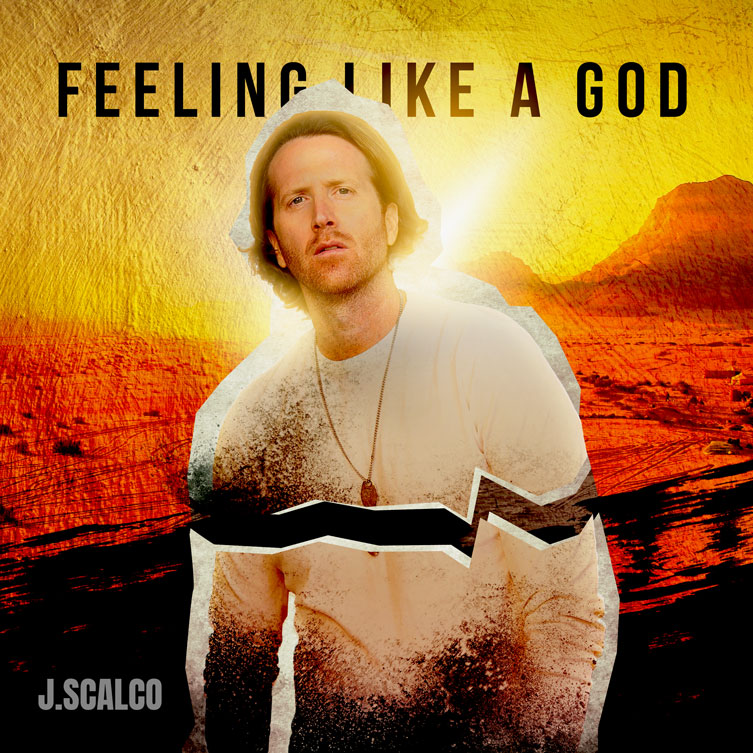
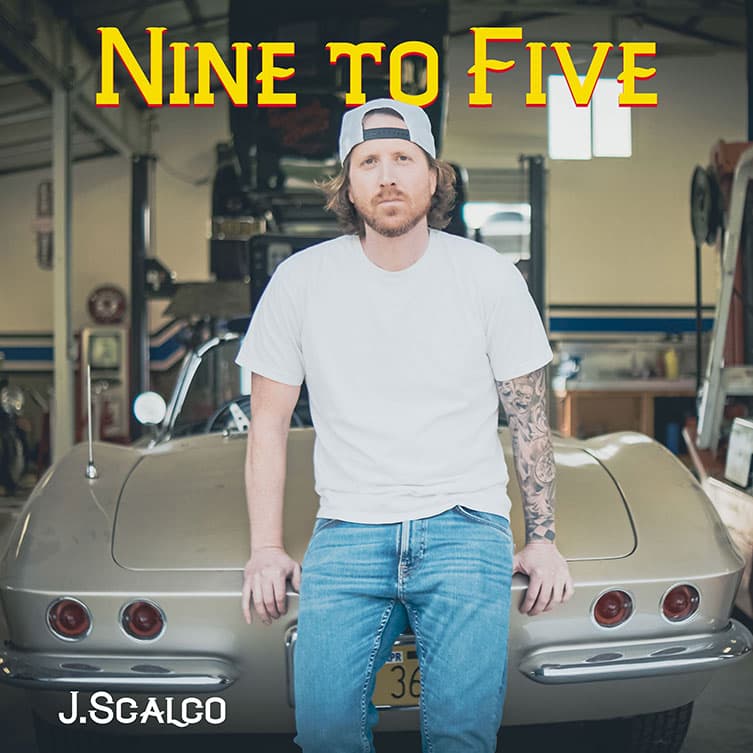
I didn’t start my music career with a plan. There was no roadmap, no mentor handing me a checklist, no label knocking on my door. I started by making music because I had to — it was the thing that made the most sense to me — and then I spent years figuring out how to turn that into something real.
I’m originally from New Orleans, a city where music is literally in the air. That environment shaped everything about how I approach music and performing. Over the past 25+ years, I’ve built a career that spans both music and film — I’ve released singles on every major streaming platform, worked on national commercials, appeared in television shows and indie feature films (IMDB), and built this site to share what I’ve learned along the way.
None of it happened fast. Most of it happened by making mistakes and figuring out what actually works versus what sounds good in theory. Here’s how to start a music career based on what I’d tell myself if I could go back to the beginning.
Start by Getting Honest About Where You Are

The first step isn’t buying gear or setting up social media profiles. It’s being brutally honest with yourself about your current skill level and what needs work.
When I started, I thought I was further along than I actually was. That’s normal — every artist overestimates their readiness early on. The turning point for me was recording myself and listening back objectively. Not as the person who wrote the song, but as a stranger hearing it for the first time. That was humbling, and it was exactly what I needed.
Here’s what I’d focus on:
Identify the gap between where you are and where you want to be. Maybe your songwriting is strong but your production sounds amateur. Maybe you can perform live but your recorded material doesn’t capture your energy. Knowing the specific gap lets you focus your practice time on what actually matters instead of noodling around hoping to improve through sheer repetition.
Invest in your craft before you invest in marketing. I see a lot of new artists spending money on promotion for music that isn’t ready yet. That’s backwards. No amount of Instagram ads will fix a mediocre recording. Spend your early resources on getting better — take songwriting classes, study production, practice performing. The marketing gets infinitely easier when the music is genuinely good.
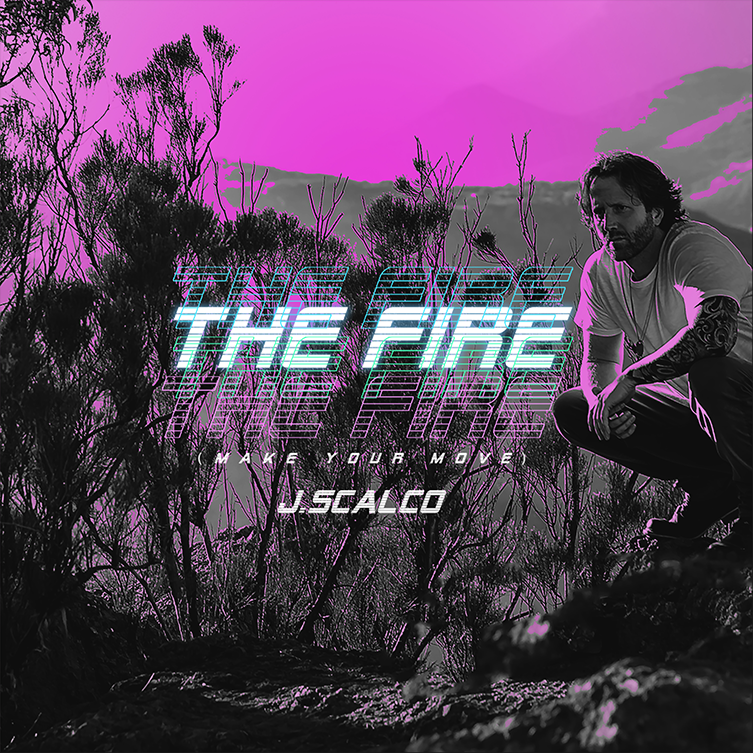
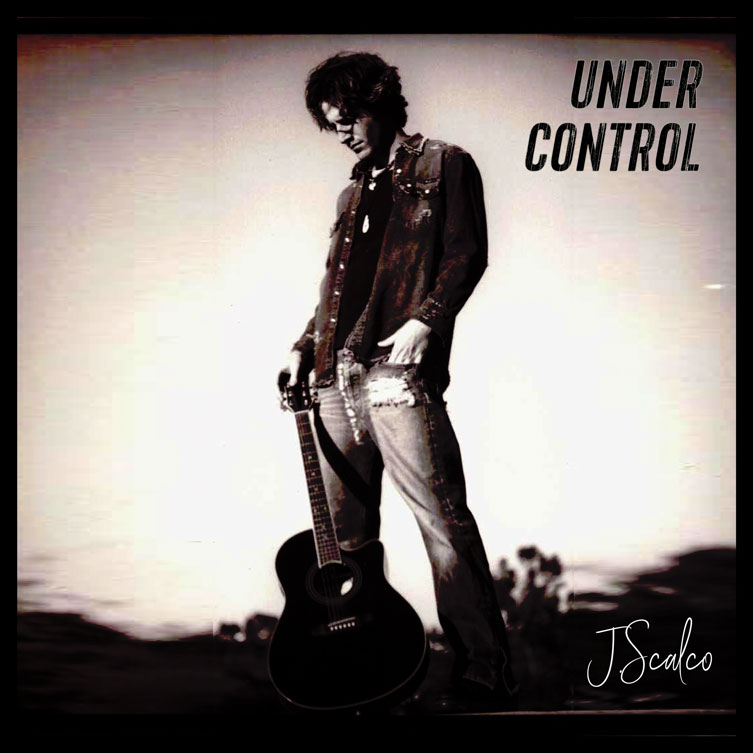
Find your sound by making a lot of music. My sound didn’t arrive fully formed. It developed over years of writing, experimenting, and releasing. Each single I’ve put out — from The Fire to Under Control to Wrong Man — taught me something about what resonates and what doesn’t. You won’t find your sound by thinking about it. You’ll find it by making things and paying attention to what feels right.
Build Your Home Base Online
You need two things online before anything else: a website and a presence on the platforms where people actually listen to music.
Your Website
Your website is your digital home — the one place online that you fully control. Social media algorithms change, platforms rise and fall, but your website is yours. It’s where people go to learn about you, hear your music, and find out how to book you or get in touch.
I built jscalco.com early in my career and it’s been one of the best investments I’ve made. It doesn’t need to be complicated — I cover the best options in my website builder guide for musicians. What matters is that it looks professional, loads fast, and makes it easy for anyone to find your music, your bio, your press photos, and your contact information.
Streaming Profiles
Claim your profiles on Spotify, Apple Music, and every other platform your distributor delivers to. Set up Spotify for Artists and Apple Music for Artists immediately. These give you control over your profile appearance, access to analytics, and the ability to pitch unreleased tracks to editorial teams.
Your Spotify bio, profile photo, and header image are often the first impression a new listener gets. Make them count. I update mine with every major release to keep things current.
Social Media — But Be Strategic
You don’t need to be on every platform. Pick one or two where your potential audience actually spends time and commit to those. For me, that’s been Instagram and TikTok. I was resistant to social media for a long time — I thought the music should speak for itself. It doesn’t. At least not without help.
What I’ve learned: behind-the-scenes content performs better than polished promotional posts. People want to see the process, the studio sessions, the messy in-between moments. A 15-second clip of you working on a track in your bedroom is more compelling than a perfectly designed “OUT NOW” graphic.
Post consistently, even if it’s just a few times a week. Engage with comments and messages. Be a real person, not a content machine. The artists who build genuine followings online are the ones who feel accessible and authentic.
Record and Release Your Music

This is where many aspiring artists stall. They wait until everything is perfect — the perfect song, the perfect recording, the perfect moment. That moment never comes. The best thing you can do is release music and learn from the process.
Recording
You have two paths: build a home studio or book time at a professional studio. Both are valid. I’ve done both at different stages.
If you’re starting out, a home setup is the most practical option. You don’t need expensive gear to make quality recordings — a decent condenser microphone, an audio interface, a pair of studio headphones, and a DAW will get you started. I break down the full setup in my production equipment guide.
The key is to start recording even before you feel ready. Your first recordings won’t be your best. That’s the point. You learn more from finishing and releasing a track than from endlessly tweaking one that never sees the light of day.
Releasing
Once your track is recorded, mixed, and mastered, you need a distributor to get it onto streaming platforms. I use DistroKid — I’ve written a detailed comparison of all the major options in my music distribution guide.
Upload your track at least 3-4 weeks before your target release date. This gives you time to pitch to Spotify playlist curators and submit your editorial pitch through Spotify for Artists. Make sure your metadata is clean — artist name, track title, genre tags, ISRC codes. Mistakes here create problems that are annoying to fix later.
Release Strategy
Don’t just drop a track and hope people find it. Plan a rollout. Here’s the approach I’ve developed:
- 3-4 weeks before release: Upload to distributor. Submit Spotify editorial pitch. Set up pre-save links.
- 2 weeks before: Start teasing the track on social media — short audio clips, behind-the-scenes studio footage, the story behind the song.
- 1 week before: Push pre-save links hard. Submit to independent playlist curators. Send an email to your list if you have one.
- Release day: Post across all channels. Share Spotify and Apple Music links. Ask your network to stream, save, and share.
- First week after: Continue promoting. Share any playlist placements. Engage with every comment and message. The first week’s engagement determines how aggressively the algorithm pushes your track.
I’ve refined this process across multiple releases, and each one gets a little smoother. My full release guide goes deeper into every step.
Understand the Business — Even If You Hate It

This is the part nobody wants to hear, but it’s the part that separates artists who build sustainable careers from those who burn out. You have to understand how the money works.
Know How You Get Paid
As an independent artist, your revenue comes from multiple sources. I break down all of them in my income streams guide, but the main ones are: streaming royalties, sync licensing, live performance, and merchandise.
Streaming payouts are real but modest for most indie artists. You need hundreds of thousands of streams per month to make meaningful income from streaming alone. That’s why diversification matters — a single sync placement in a film or commercial can generate more revenue than a year of streaming.
Protect Your Work
Register your songs with a performing rights organization (PRO) like ASCAP, BMI, or SESAC. These organizations collect performance royalties on your behalf whenever your music is played publicly — radio, TV, live venues, streaming platforms. If you’re not registered with a PRO, you’re leaving money on the table every time your music gets played.
Copyright your recordings. Understand the difference between the composition copyright (the song itself) and the sound recording copyright (the specific recording). Both generate separate royalty streams, and as an independent artist, you likely own both. The U.S. Copyright Office has clear guidance on how to register.
Read Everything Before You Sign
If anyone offers you a deal — a manager, a label, a sync agent, a collaborator — read every word of the contract. If you don’t understand something, ask. If you still don’t understand, hire a music attorney to review it. I’ve seen artists sign away rights they didn’t realize they were giving up because they were excited about the opportunity and didn’t read the fine print.
My distribution agreements guide covers the basics of what to look for in the most common contracts indie artists encounter.
Network Like a Human, Not a Salesperson
The music industry runs on relationships. Every significant opportunity I’ve had — whether in music or film — came through someone I knew, someone I’d collaborated with, or someone who’d seen me perform. Talent opens the door. Relationships determine which doors you get to walk through.
Go to things in person. Conferences, open mics, industry events, local shows. I know it’s easier to stay home and network on social media. But the connections I’ve built face-to-face have been the ones that actually led to opportunities. Show up, be genuine, be interested in other people’s work. The music world is smaller than you think, and people remember who was cool to be around.
Collaborate. Working with other artists exposes you to their audience, teaches you new approaches, and often produces music you wouldn’t have made alone. Some of the best creative moments in my career came from collaborations I didn’t expect.
Treat everyone with respect. The sound engineer at a small venue today might be running a major studio in five years. The unknown artist you played an open mic with might blow up next year. I’ve seen both of these things happen. Be professional, be reliable, show up on time, and be the person people want to work with again.
Build relationships with curators, bloggers, and media. These aren’t just promotional channels — they’re people who genuinely love music. When you approach them as a fellow music lover rather than someone pitching a product, the interactions are completely different. I’ve built lasting relationships with indie music bloggers and playlist curators by being genuine and supporting their work, not just asking for placements.
Perform Live — Even When It’s Uncomfortable
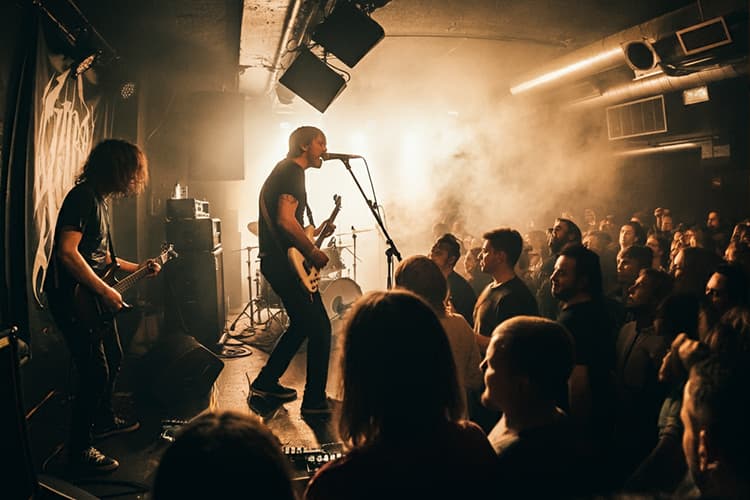
Live performance is where you build your deepest connection with an audience. Streaming is passive — someone plays your track while they’re working or driving. But when you perform live, you have someone’s full attention. That’s where fans are made.
Start wherever you can. Open mics, small venues, house shows, local events. My first performances were at small clubs on the Sunset Strip, and the crowds were not always generous. There were nights when I played to more bartenders than audience members. But each show made me better — more comfortable on stage, more aware of what works with a crowd, more confident in my material.
Some practical things I’ve learned:
Build a setlist with intention. Think about pacing, energy, and how songs flow together. Don’t just play your songs in the order you wrote them. Start strong to grab attention, build through the middle, and end with something memorable.
Practice your stage presence. Record yourself performing and watch it back. I know it’s painful — I still cringe watching early footage of myself. But it’s the fastest way to improve how you come across on stage.
Handle the technical side. Learn how sound checks work. Know your input requirements. Bring backup cables, picks, strings, whatever you need. The artist who shows up prepared and makes the sound engineer’s job easy is the artist who gets invited back.
Build a press kit. Venues and promoters will ask for one. Include your bio, high-quality photos, links to your music, and any press coverage or notable performances. Keep it updated. My artist bio guide covers how to write one that actually works.
As your live reputation grows, use your gig revenue calculator to make sure you’re pricing yourself appropriately. Too many artists undervalue their live performance, especially early in their careers.
Market Yourself Without Losing Your Soul

Marketing feels uncomfortable for a lot of artists. It felt uncomfortable for me for a long time. But here’s the reframe that helped: marketing isn’t selling. It’s connecting the music you’ve already made with the people who would love it if they knew it existed. That’s it.
Tell your story. People don’t just connect with music — they connect with the person behind it. Share your creative process, the stories behind your songs, the highs and lows of your journey. Authenticity is the most effective marketing strategy that exists.
Build an email list. This is the single most underrated marketing channel for musicians. Social media reach is controlled by algorithms you don’t own. Your email list is a direct line to people who actively want to hear from you. Even 50 email subscribers who genuinely care about your music are more valuable than 5,000 passive Instagram followers.
Use Spotify promotion strategically. Pitching to playlists, running targeted social media ads around a release, collaborating with other artists on cross-promotion — these tactics work, but they work best when the music is strong and the strategy is focused. Don’t spread yourself thin trying to be everywhere. Pick the channels that work for you and go deep.
Think long-term. Building an audience takes years, not weeks. Every release is a building block. Every fan you earn is someone who’ll show up for your next project. The artists I’ve watched build sustainable careers are the ones who were consistent for years while everyone else was looking for shortcuts.
The Real Talk Nobody Gives You
Here’s what I wish someone had told me at the beginning:
It will take longer than you think. I’ve been doing this for over two decades. There’s no overnight success story here. The artists who “blow up overnight” usually have years of work behind them that nobody saw.
You will doubt yourself constantly. That doesn’t go away. You just learn to keep going anyway. Every artist I respect has told me the same thing — the doubt never disappears, you just get better at ignoring it.
The industry doesn’t owe you anything. Nobody cares how hard you worked on a track. They care if it moves them. Focus on making music that connects with people, and the career part will follow. Not easily, and not quickly — but it will follow.
Take care of yourself. The music industry can be intense. Protect your mental health, set boundaries, surround yourself with people who have your best interests in mind. I’ve seen talented artists burn out because they didn’t take this seriously. Your career is a marathon. Treat it like one.
Start now. Not when you have better gear. Not when you’ve written the perfect song. Not when you feel ready. Now. The only way to build a music career is to start building it. Everything else you need, you’ll figure out along the way — I’m still figuring things out, and that’s the honest truth.
Frequently Asked Questions
How much does it cost to start a music career?
You can start for a few hundred dollars if you’re strategic. A basic home recording setup (microphone, interface, headphones, free DAW) runs $200-500. A distributor like DistroKid costs $22.99/year. A simple website can be built for $10-20/month. The biggest investment early on is your time, not your money. I cover the full gear breakdown in my home studio setup guide.
Do I need a music degree to have a music career?
No. I don’t have a music degree. Many successful independent artists don’t. A degree can be valuable for theory knowledge, networking, and structured learning, but it’s not a prerequisite. What matters is your ability to create music that connects with people and your willingness to learn the business side. Both of those can be self-taught.
Should I try to get signed to a label or stay independent?
It depends on what you want. Staying independent means you keep your rights, control your career, and earn a higher percentage of your revenue — but you’re responsible for everything. A label provides funding, connections, and infrastructure — but you give up control and ownership. For most artists starting out, I’d recommend staying independent, building your audience, and only considering a label deal once you have enough leverage to negotiate favorable terms.
How long does it take to build a music career?
There’s no standard timeline. Some artists gain traction within a year. For most, it takes several years of consistent releasing, performing, and audience-building before music becomes financially sustainable. My advice: stop measuring success by a timeline and start measuring it by progress. Are you better than you were six months ago? Are more people listening? Is your network growing? If yes, you’re on the right track.
What’s the most important thing for a new artist to focus on?
Making music and releasing it. Everything else — marketing, networking, branding — is secondary to having music out in the world that people can listen to. You can’t promote what doesn’t exist. Write songs, record them, release them, learn from the process, and repeat. That cycle is the foundation of every music career.