Are you tired of tripping over cables during your epic guitar solos?
It’s time to cut the cord and embrace the freedom of wireless guitar systems!
Did you know that 73% of professional guitarists now use wireless systems for live performances?
In this guide, we’ll explore the best wireless guitar system and you find the perfect match for your musical journey.
Get ready to rock without boundaries!
Top 5 Best Wireless Guitar Systems
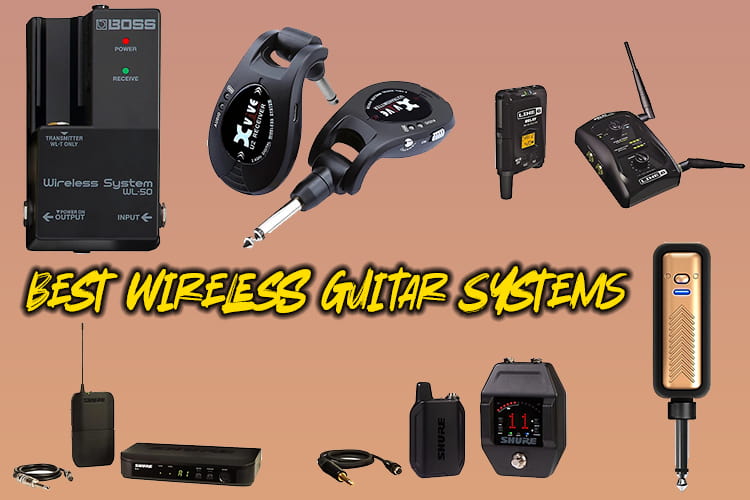
1. Best overall: Shure GLX-D16+ Digital Wireless Guitar System

The Shure GLX-D16+ Digital Wireless Guitar System rocks a killer signal, sweet range, and a battery life that just keeps on going.
It’s got two frequency bands, so no fear of dropped signals, even when you’re 200 feet away from your rig.
Plus, it’s got pedalboard compatibility and an onboard tuner, making it a go-to for every six-string slinger out there.
2. Best budget option: XVive U2 Digital Wireless Guitar System
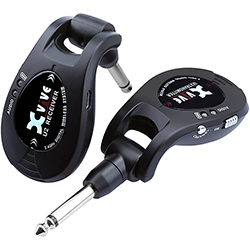
Looking for something wallet-friendly that doesn’t skimp on quality? The XVive U2 Digital Wireless Guitar System is your buddy.
It’s spot-on with audio transfer, decent range, and almost no lag.
Also, it packs rechargeable batteries with up to five hours of playtime. Perfect jamming companion.
3. Best for beginners: Positive Grid Spark Link Wireless Guitar System
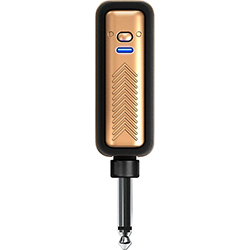
Newbies, meet your new best friend: the Positive Grid Spark Link Wireless Guitar System.
It’s super easy to get the hang of, offering superb sound, strong connection, and pairing happens in the snap of a finger.
Works with a range of electric guitars and acoustic guitars and it’s a breeze to use, keeping your learning curve smooth.
4. Best for studio use: Boss WL-50 Wireless Pedal Board System

Studio junkies, check out the Boss WL-50 Wireless Pedal Board System.
Lightning-fast with zero lag, fantastic dynamics, and a full frequency response.
It’s compact and gives you 12 hours of jam time per charge. Plus, it simulates cable effects, making it a studio favorite.
5. Best multi-instrument system: Shure BLX14 Wireless Guitar System

Musicians with a taste for variety, the Shure BLX14 Wireless Guitar System is your jam.
Its bodypack transmitter and hassle-free receiver sync nicely with different instruments.
Dependable signal and adaptability make it perfect for the versatile player.
Best Wireless Guitar System Per Use
| Category | Product Name |
|---|---|
| Best overall | Shure GLX-D16+ Digital Wireless Guitar System |
| Best budget option | XVive U2 Digital Wireless Guitar System |
| Best for professionals | Shure GLXD16+ Digital Wireless Guitar Pedal System |
| Best for beginners | Positive Grid Spark Link Wireless Guitar System |
| Best for live performances | Shure GLX-D16 Wireless Guitar System |
| Best for studio use | Boss WL-50 Wireless Pedal Board System |
| Best compact system | XVive U2 Digital Wireless Guitar System |
| Best multi-instrument system | Shure BLX14 Wireless Guitar System |
| Best long-range system | Shure GLXD16+ Digital Wireless Guitar System |
| Best digital system | Xvive U2 Digital Wireless Guitar System |
What Makes the Best Wireless Guitar System?
When we’re on the hunt for the best wireless guitar system, a few things really make that gear pop.
Here’s the lowdown on what separates the contenders from the pretenders.
Signal Quality and Clarity
You want that sound to come through crisp and clear, right? No one wants their guitar to sound like a tin can.
A kick-butt connection keeps your tunes true blue without any annoying fuzz or dropouts. Take the Shure BLX14R/B98.
It rocks those UHF frequencies like a boss, dodging interference to give you a smooth, uninterrupted jam.
Range and Reliability
Ever found yourself wandering during a gig and the sound just sputters out? Yeah, me neither.
But if you’re like us and like a little space to rock, the range is key.
The Shure GLXD16+ reaches up to 200 feet – perfect for those bigger stages.
And if you really wanna stretch your wings, the Shure BLX14R/B98 covers up to a jaw-dropping 300 feet.
Battery Life and Power Options
There’s nothing worse than losing juice mid-solo. Stock up on systems that just don’t quit.
Rechargeable batteries? Heck yes – they save bucks and the planet.
The Shure GLXD16+ can last 16 hours, while Shure BLX14R/B98 pulls through with 14 hours.
If you need something more pocket-friendly, the Xvive U2 gets you 5 hours – great for those quick gigs.
Ease of Use and Setup
We don’t have time for 20-step setups. It should be as easy as plugging in and playing.
Systems like the Xvive U2 fit the bill perfectly for hassle-free plug-ins.
Or stick the Shure GLXD16+ on your pedalboard – there’s a tuner built right in.
Compatibility with Different Instruments
Switching between your axe and that bass? A flexible system’s your new best friend.
The SWIFF High-Grade with its multiple channels offers just that flexibility for those who can’t decide.
Latency and Frequency Response
Delay between strumming and hearing? No thanks. You want almost instant response.
Most top-notch systems will offer lag under 5 milliseconds.
Also, you’ll want the full flavor of your guitar’s character coming through.
The XTUGA UHF, for example, keeps it tight with low latency and covers the full sound spectrum.
Comparison Table of Wireless Guitar Systems
| System | Signal | Distance (Feet) | Battery Time (Hours) | Setup Style | Instrument Flexibility | Delay |
|---|---|---|---|---|---|---|
| Shure GLXD16+ | Excellent | 200 | 16 | Pedalboard, Tuner included | High | Low |
| Shure BLX14R/B98 | Excellent | 300 | 14 | Rackmount, Clip-on | High | Low |
| Xvive U2 | Good | 100 | 5 | Portable, Quick connect | Moderate | Low |
| SWIFF High-Grade | Good | 150 | 8 | Multi-channel | High | Moderate |
| XTUGA UHF | Good | 164 | 5 | Multi-channel | High | Low |
Picking the right wireless guitar gear means balancing all these pieces.
Think about what lines up with your needs, keeping these factors in mind, and you’ll snag a setup that works for you and your music style.
How to Choose the Right Wireless Guitar System for You
Choosing the perfect wireless guitar setup for yourself can feel like picking a favorite candy from a jar, but it’s all about knowing what you’re after. We’re here to lend a hand.
Think About Your Budget
We all know that money talks, so start by considering your wallet.
Wireless guitar systems come in all shapes and sizes—some friendly for your bank account, others more of a splurge.
| Price Range | Example Products |
|---|---|
| $50 – $100 | Xvive U2 |
| $100 – $300 | Line 6 Relay G10 |
| $300+ | Shure BLX14R/B98 |
Figure Out Your Performance Needs
Ask yourself how you’ll be rocking out with this new gear. Are you headlining big arenas or jamming in your garage?
Your stage presence needs will guide you toward the right system.
| Usage Scenario | Recommended Features |
|---|---|
| Home Practice | Keeps it simple, short range |
| Small Gigs | Decent stretch, strong battery vibes |
| Large Venues | Long reach, rock-solid signal |
Consider Your Venue Size
Roll it over in your mind—where will you be playing?
The spot’s size decides if you need a mighty range or just some straightforward features for smaller clubs or events.
Check for Interference and Compatibility
Scope out systems that laugh in the face of interference. Make sure your gear plays nicely with your existing guitars, amplifiers, or effects pedals. Some setups are picky about their buddies.
Read up on Reviews and Recommendations
Get the scoop by diving into user reviews or hitting up fellow guitar slingers for their two cents. Real-life experiences pack a punch when making your choice.
Try It Out If You Can
When possible, give it a whirl before buying. Trying out the equipment lets you judge if it’s a fit like your favorite pair of shoes. Local music shops usually have demo units ready for a spin.
By keeping these tips in mind, you’re on your way to finding a wireless guitar system that’s perfect for your style and setup.
Setting Up Your Wireless Guitar System: Tips and Tricks
Get ready to rock your socks off with your wireless guitar system!
Follow these nifty tips and tricks, and you’ll be cranking out tunes without a hitch.
Proper Transmitter Placement
Keep that transmitter in the right spot to boost your signal and keep the good vibes rolling.
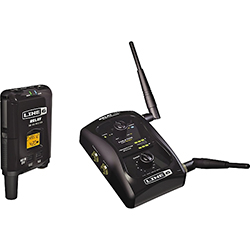
With systems like the Line 6 Relay G10S, make sure the transmitter, often plugged into your guitar, is not blocked by anything.
Clipping it on your belt or slipping it in your pocket usually does the trick.
Optimizing Receiver Positioning
Where you park the receiver matters—a lot. To maintain a strong signal, keep it within sight of the transmitter.
Models like the Shure BLX14R/B98 like being up high to avoid getting blocked.
If you’re on stage, it might work best near your gear like your pedalboard or amp, depending on your setup.
Avoiding Interference Sources
Wireless gear sometimes gets pesky interference from other electronics.
To dodge this, go for systems using UHF frequencies, such as the XTUGA UHF.
Also, keep your setup away from things like Wi-Fi routers and other gizmos that might mess with your signal.
Adjusting Gain and Audio Levels
For sweet, distortion-free sound, get your gain and audio levels just right.
Start low, then turn up gradually until the volume’s right without getting all fuzzy.
Some systems, like the Line 6 Relay G50, even have tone control features for fine-tuning your sound.
Syncing Multiple Systems for Band Use
Playing in a band? Get those wireless systems synced to avoid signal battles.
With setups that have solid connections like the Positive Grid Spark Link, pairing units is a breeze.
Make sure each gadget rocks its own unique channel and always soundcheck to keep everything jiving in harmony.
Troubleshooting Common Issues
Stuff happens—here’s how to fix it:
- Dropouts: Double-check where your transmitter and receiver are parked. Make sure they’re in range and can see each other.
- Interference: Try a new channel or frequency. Multi-channel systems like the XTUGA UHF let you switch things up.
- Sound Distortion: Tweak the gain and volume or move the transmitter around.
Keeping an eye on things and a little tinkering can keep your wireless guitar system rocking steady, making your jams smooth and satisfying.
With these tips and tricks, gear up your wireless guitar system for top-notch performance, letting you enjoy clear, crisp sound whether you’re jamming in the studio or on stage. Happy playing!
Maintaining Your Wireless Guitar System
Keeping our wireless guitar gear in top-notch condition is vital for its performance and lifespan.
Let’s dive into a few tips and tricks that’ll help us keep our setups rockin’.
Regular Battery Checks and Replacement
Gotta keep an eye on those batteries! Making sure they’re fresh or charged before a jam is a no-brainer.
For example, systems like the Shure BLX14R/B98 offer a whopping 14 hours of jam time and use cool UHF frequencies to dodge those nasty interference gremlins.
Perfect for the ultra-marathon gigs! Updating batteries before each show is a small ask for a major benefit.
| Product | Battery Life |
|---|---|
| Shure BLX14R/B98 | 14 hours |
| XVive U2 | 5 hours |
| Positive Grid Spark Link | 6 hours |
Cleaning and Storing Your Equipment
Dirt and grime? We say no thanks! Give that gear a gentle wipe with a microfiber cloth after each jam. Clean tools last longer and keep working just right.
Gear like the robust but compact XVive U2 is easy to tuck away once cleaned. Just make sure it’s stored in a cool, dry corner to keep moisture away.
Firmware Updates and Software Maintenance
Think updating your system’s firmware is a hassle? Think again. It boosts performance and sometimes even tosses new features into the mix.
With models like the Shure GLX-D16, firmware updates can improve how it tackles signals and interference.
Don’t forget to swing by the manufacturer’s website now and then to catch the latest tweaks.
Proper Cable and Antenna Care
Cable and antenna care isn’t all that glamorous, but trust us, it matters!
Things like the Shure GLX-D16 come with slick cables and antennas that deserve gentle treatment.
Don’t practice your karate moves on them (you know what we mean). Keep an eye out for fraying or loose connections to keep the music flowing.
When to Seek Professional Servicing
Sometimes, even our best efforts can’t solve everything and that’s when the pros step in.
If weird noises, connection hiccups or mystery dropouts haunt your gear, wave the white flag and consult an expert.
Regular check-ups can catch those issues before they become show-stoppers.
By giving our wireless guitar systems the TLC they deserve, we ensure every gig is a blast.
A little bit of routine check-up, cleaning, and keeping on top of updates means we get to focus on what’s most important—rocking out!
Best Wireless Guitar System Wrap Up
Ready to unleash your guitar-playing potential? The world of wireless guitar systems has never been more exciting!
From budget-friendly options to pro-level gear, there’s a perfect system out there for every guitarist.
Don’t let cables hold you back any longer – it’s time to embrace the freedom and flexibility of wireless technology.
Rock on, and may your riffs always be crystal clear and your movements unrestricted!