Ever felt your guitar slipping during an epic solo? You’re not alone!
A great guitar strap isn’t just an accessory, it’s a game-changer for your performance and comfort.
In this guide, we’ll explore the best guitar straps, ensuring you’ll never miss a beat due to a subpar setup again.
From luxurious leather to innovative ergonomic designs, we’ve got you covered. Ready to find your perfect match? Let’s dive in!
What Makes a Great Guitar Strap?
Finding the right guitar strap can take your jam sessions from “meh” to “wow.”
A good strap is like a trusty sidekick that’s always got your back, literally and figuratively.
Let’s break down what you need to look for when hunting for that perfect strap: comfort, toughness, adjustability, flair, and safety.
Comfort: Chill Vibes While You Play
Comfort is king, especially when you’re rocking out for hours.
The right strap makes those marathon practices feel like a breeze instead of a burden on your shoulder.
So, aim for ones with extra padding or those crafted from comfy stuff like leather or neoprene.
Going wider is wise with heavier axes like bass guitars—think of it as spreading the love (and weight) across your shoulder.
| Strap Type | Recommended Width (inches) | Features |
|---|---|---|
| Standard Guitar | 2 – 2.5 | Light padding, flexible material |
| Bass Guitar | 3 – 4 | Extra padding, extra width for balance |
Durability: Built to Last
When it comes to durability, you’d want a strap that’s as tough as your epic guitar solos.
Look for full-grain leather or heavy-duty fabric that can handle the wear and tear.
Strong stitching and metal buckles mean it won’t be giving out anytime soon—like, really, who wants a strap snapping mid-“Stairway to Heaven”?
Adjustability: Made to Measure
Adjustability is your friend, ensuring that you find your own rhythm when it comes to length and fit.
A solid strap adjusts easily, fitting all shapes and sizes, like a dream.
If you’re rocking a bass, you might want to go for a longer strap to get that low-slug coolness just right.
| Strap Type | Length (inches) | Best For |
|---|---|---|
| Standard Guitar | 40 – 60 | Almost every guitar and style |
| Bass Guitar | 50 – 70 | Extra length enthusiasts |
Style: Letting Your Personality Shine
Strap style is where you get to sprinkle some pizzazz. From classic leather to wild patterns, there’s a world of designs out there.
If you’re into the old-school vibe, vintage looks are a hit. Want a little extra customization? Options like embroidery and patches let your strap tell your story without saying a word.
Security: Keeping It Safe
Your guitar is precious, so secure it!
Straps with locking gizmos or strap locks are like seat belts for your axe, and they’re a must if you’re jumping around the stage.
Plus, a strap with a non-slip backing will make sure it stays put, even when you’re giving it your all.
By zoning in on these details, we can find a strap that not only amps up our playing but also keeps our instrument safe and lets our style shine through.
Best Leather Guitar Straps
Premium Full-Grain Leather Options
If you’re hunting for something as dependable as your grandma’s homemade apple pie, full-grain leather guitar straps are where it’s at.
This leather is tough as nails, has that natural feel, and gets more character with age, like a fine wine or your uncle’s dad jokes.
Take the Fender Broken-In Leather guitar strap, for instance. It comes in green, brown, black, and tan, so there’s something for everyone.
A smooth cowhide that’s soft to the touch, doesn’t run away with your cash, and you can adjust it to fit like it was meant for you. Rock on.
Vintage-Inspired Designs
Nostalgia meets necessity with these vintage-styled leather straps. They’re not just for coziness but for giving your gigs that old-school vibe.
The Harley Benton padded leather strap, which you can snag from Thomann, offers you a blast from the past with the comfort of today, thanks to some plush padding.
And don’t sleep on the Fender Monogrammed guitar strap—it mixes yesteryear charm with present-day toughness.
Comparison of Width and Thickness
Width matters. When your shoulder’s doing the heavy lifting of your Gibson or Fender, a wider strap can be your best friend.
Let’s weigh our options:
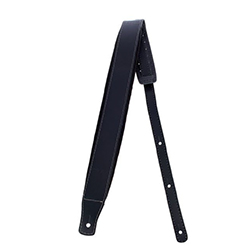
| Leather Strap | Width (inches) | Thickness (mm) | Padding |
|---|---|---|---|
| Fender Broken-In Leather
|
2.5 | 3 | Minimal |
| Harley Benton Padded
|
2.5 | 4 | Yes |
| Levy’s M26PD
|
4 | 5 | Yep, garment leather |

Pros and Cons of Leather Straps
Leather straps got the goods and the bads. Here’s a quick run-down so you know what you’re gettin’ into:
Pros:
- Built Tough: Like a trusted truck, these things can go the extra mile.
- Cushy Feel: They mold to you over time, comfortable like your favorite old sneakers.
- Timeless Looks: They never go out of style and fit any music bag you’ve got.
Cons:
- Costly Affair: Quality leather doesn’t come cheap, but boy, do they last.
- Babysitting Required: A bit of TLC is needed to keep ’em looking snazzy.
- Hefty Side: Some are beefier, not great if you like to bounce around stage.
Best Leather Straps for Different Genres
Music’s got flavors, just like your strap style might need to change depending on the riffs you’re throwing out there:
- Rock and Metal: When loud’s your language, the Levy’s MSS2-4 Signature Series keeps your shredding in line with its broad, comfy strap.
- Blues and Jazz: Smooth operators might find solace with the Fender Broken-In Leather strap, cozy and clean.
- Country and Folk: The Harley Benton padded strap is your partner in rhyme, offering that down-to-earth look and all-day comfort.
Pickin’ the right leather guitar strap can add a bit of swagger back into your sessions, keeping you comfy and ready to jam ’til the cows come home.
Best Guitar Straps for Pain Relief
Innovative Weight Distribution Designs
When picking out a guitar strap, thinking about where the weight sits can save your back and shoulders from crying.
The AirCell guitar strap, for example, brings a cool twist with little air pillows underneath that spread the load gently across your shoulder.
You’re left feeling like you can jam for hours without wincing. It also keeps the sweat away, so you’re comfy no matter how hard you rock.
| Guitar Strap | Weighty Perks | Extra Nice Stuff |
|---|---|---|
| AirCell
|
Air pockets here | Sweat-stopping magic |
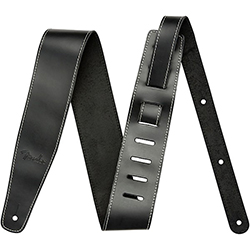
Fender Broken-In Leather
|
Adjusts all nice | Soft feel finish |
| Ernie Ball Neoprene Polylock
|
Cushy neoprene | Ready-to-go strap locks |


Memory Foam and Gel-Padded Options
Straps padded with memory foam or gel are like hugs for your shoulder. They snugly fit the shape of your shoulder, making every session a comfortable one.
Take the Ernie Ball Neoprene Polylock. Available in two width options, it’s got the cushioning thing down, giving you a plush time playing.
Straps Designed for Back and Shoulder Support
Some straps are built with love for backs and shoulders, making playing feel like a breeze.
The extra padding and smart design make sure you’re not dealing with an aching shoulder after a gig.
The Harley Benton padded leather strap is a fine piece of work. With its cozy leather and extra padding, it’s made for those endless jam sessions.
User Reviews and Testimonials
What folks are saying online can help you find the perfect strap. Musicians love sharing their thoughts in forums and reviews.
On the TalkBass Forum, players rave about the AirCell strap for feeling just right during those long gigs.
Comparison of Ergonomic Features
Here’s a handy side-by-side look at what these straps offer:
| Guitar Strap | Weight Thing | Cushion Type | Shoulder Lovin’ | Neato Extras |
|---|---|---|---|---|
| AirCell | Airy support | Cushy padding | Weight just right | No sweat feature |
| Ernie Ball Neoprene Polylock | Soft neoprene | Neoprene | Stays put solidly | Strap locks included |
| Harley Benton Padded Leather | Balance master | Extra cushion | Ultimate backup | Fancy-pants leather |
| Fender Broken-In Leather | Adjust on the fly | Leather so soft | Tough and tender | Four great looks |
Grabbing the right guitar strap is like finding that pair of shoes that just feels perfect.
Think about how weight sits, how comfy it is, and how well it holds up to find your go-to strap.
Best Affordable Yet Durable Guitar Straps
Scoring a guitar strap that’s both easy on the wallet and tough as nails can really make a difference for guitarists.
We’re here to dish on some killer budget-friendly options and why they rock.
Best Budget-Friendly Options
Kicking things off, we’ve got the Fender Monogrammed guitar strap.
It’s made from polyester with snazzy leather ends, giving you that classic vibe without emptying your pockets.
For just a smidge over ten bucks, you’re nabbing quality and sturdiness that scream Fender.
Another fantastic find is the Comfort Strapp – Pro Series – Bass Guitar Strap. A favorite among bassists, it brings comfort, support, and longevity to the table.
It’s the go-to for those wanting durability without the sticker shock.
| Guitar Strap | Price | Material | Durability | Comfort |
|---|---|---|---|---|
| Fender Monogrammed
|
$10.99 | Polyester with Leather Ends | High | Moderate |
| Comfort Strapp – Pro Series
|
$39.95 | Neoprene | High | High |


Materials That Offer Good Value for Money
Polyester and neoprene are like the rockstars of strap materials when it comes to bang for your buck.
Polyester shines with its toughness and won’t give up on you, while neoprene delivers both comfort and staying power.
These materials make sure even budget straps put up with the rough and tumble.
| Material | Durability | Comfort | Cost |
|---|---|---|---|
| Polyester | High | Moderate | Low |
| Neoprene | High | High | Moderate |
Durability Tests and Longevity Expectations
Affordable champs like the Fender Monogrammed and Comfort Strapp have proven their mettle through various durability smackdowns.
Whether you’re jamming out at gigs or just noodling in your room, these straps stick around.
- Fender Monogrammed: With its sturdy polyester build, this strap holds up for years if you treat it right.
- Comfort Strapp – Pro Series: Neoprene’s heavy-duty nature means it’s got your back, even with heftier instruments, staying solid over time.
Comparison of Price vs. Quality
When you pit price against quality, some wallet-friendly straps totally excel.
The likes of the Fender Monogrammed throw high-quality vibes at you for a steal, making them perfect for players watching their pennies.
| Guitar Strap | Price | Quality | Value for Money |
|---|---|---|---|
| Fender Monogrammed | $10.99 | High | Excellent |
| Comfort Strapp – Pro Series | $39.95 | Very High | Good |
Hidden Gems in the Affordable Range

While searching for top-notch straps on a budget, we uncovered a few gems that deliver the goods sans a hefty price tag.
Levi’s and Ernie Ball throw in some sweet cost-friendly options without skimping on the quality side of things.
- Levi’s Cotton Guitar Strap: Solid cotton build provides comfort and stands the test of time, all at a price that won’t make you wince.
- Ernie Ball Polypro Guitar Strap: Known for both affordability and longevity, this is a cherished pick among newbies and veterans alike.
With all these killer options, it’s a breeze to find a guitar strap that delivers the goods—comfort, durability, and budget-friendly price—letting you focus on what really counts: making awesome music.
Unique and Customizable Guitar Straps

Jazzing up your guitar game is all about flaunting your style while keeping things practical. Unique, customizable straps do just that, adding flair and function to your setup.
Let’s dig into what makes these straps special for players who wanna stand out.
Artisan-made and Limited Edition Straps
Want a bit of that exclusive oomph? Artisan-made and limited edition straps bring some serious style to the table with their handcrafted goodness and top-notch materials.
This isn’t just about looking good; these babies last. Brands like Fender roll out gems like the Broken-In Leather strap.
Here’s where they’ve got it right: four slick finishes (green, brown, black, and tan) with a soft-touch, oiled finish that’s comfy and lasts long.
Example of Artisan-made Straps:
| Brand | Model | Features | Price Range |
|---|---|---|---|
| Fender | Broken-In Leather | Oiled cowhide leather, four finishes | $50 – $80 |
| Ernie Ball | Neoprene Polylock | Built-in strap locks, maximum comfort | $30 – $50 |
| Harley Benton | Padded Leather | Extra padding, premium leather | $20 – $40 |
Customization Options (Embroidery, Patches, etc.)
Customization’s where your strappin’ dreams get personal. Toss from embroidery to patches; make your strap sing your song.
Many offer custom touches, letting you pick colors, add your name, or slap on logos that mean something to you.
- Embroidery: Stitch your name or band’s name onto the strap.
- Patches: Flash your top bands or symbols.
- Color Choices: Match it with your guitar or vibe.
Eco-friendly and Sustainable Strap Choices
If jamming guilt-free is your jam, eco-conscious straps made from recycled stuff, organic threads, or sustainably sourced leather are your best bet.
These brands ensure their process is as clean as a whistle while keeping quality intact.
Eco-friendly Strap Examples:
| Brand | Model | Material Type | Price Range |
|---|---|---|---|
| Recycled Vision | Hemp Guitar Strap | 100% organic hemp | $40 – $60 |
| Couch | Recycled Seatbelt | Old car seatbelts, reimagined | $30 – $50 |
| Souldier | Custom Recycled | Vintage cloth, recycled leather | $50 – $70 |
Straps that Make a Statement on Stage
Getting up on stage? You might wanna rock a strap that says it all.
Look for those with loud designs, striking colors, and one-of-a-kind materials that let your personality shine through.
- Bold Patterns: Think geometric twists, animal spots, embroidery galore.
- Bright Colors: Neon, metallic vibes, and custom splashy paints.
- Unique Materials: Exotic hides, woven threads, and textures that stand out.
Balancing Uniqueness with Functionality
A strap should reflect you but should also work for you. Comfort, longevity, and security are key.
Straps like the Comfort Strapp – Pro Series – Bass Guitar Strap are an ace pick, combining support and playability for players after both toughness and comfort.
Findin’ the right strap means syncing your style with practicality, ensuring it amps up your playing and leaves a mark on your crowd.
How to Choose the Right Guitar Strap for You

Picking out the ideal guitar strap can make a big difference in how you feel while playing.
We’ve put together some tips to help you find the perfect strap for your gig.
Thinking About Your Instrument’s Weight
The heft of your guitar matters a ton when it comes to picking a strap.
If your axe is on the heavier side, like a bass guitar, you’ll need something sturdy to keep your shoulder and back from crying uncle.
Wider straps spread that load, making your jams less of a pain in the neck.
| Instrument Type | Recommended Strap Width |
|---|---|
| Electric Guitars | 2 – 2.5 inches |
| Acoustic Guitars | 2 – 2.5 inches |
| Bass Guitars | 3 – 4 inches |
Matching the Strap to Your Playing Style
How you play should have a say in your strap decision, too.
If you’re one of those performers who can’t stop groovin’ across the stage, look for a strap that grips like a champ.
For marathon gigs or practice, some extra padding never hurts.
And if you’re a bassist, a lockin’ strap can be a lifesaver. You don’t want that bad boy slipping mid-slap.
Importance of Trying Before Buying
It’s like shoes—you gotta try before you buy.
Head to your local music shop and play around with different straps on your guitar.
Stand, sit, and make sure it’s comfy and easy to tweak when you switch up your style.
Maintenance Tips for Different Strap Materials
Keeping your strap in top shape prolongs its life. Each material needs its own TLC:
- Leather Straps: Keep them smooth with leather cleaner, and steer clear of too much wet stuff—they don’t like it.
- Fabric Straps: A little soap and water can do the trick. Just make sure they’re dry as a bone before you wear ‘em.
- Synthetic Straps: Low fuss—wipe clean with a damp cloth and you’re good to go.
Check your strap regularly for any signs of wear that might leave you hanging.
When to Invest in a High-End Strap
When you’re gigging often, a top-notch strap makes sense.
Shelling out for something classy yet durable, like those from the Levy’s MSS2-4 Signature Series means you’ll get the support and style you need for endless shredding.
A well-chosen guitar strap can change the game. Whether you’re after comfort, killer looks, or durability, keep these pointers in mind and find the strap that’s just right for you.
Guitar Straps Wrap Up
There you have it, fellow strummers and shredders! We’ve journeyed through the world of the best guitar straps, from luxurious leather to ergonomic marvels.
Remember, the perfect strap isn’t just about looking cool (though that’s a sweet bonus) – it’s about playing comfortably and confidently.
Whether you’re rocking out in your bedroom or headlining festivals, the right strap has got your back… literally!
So go ahead, pick your favorite from our list and feel the difference in your next jam session.
Your shoulders will thank you, and who knows? With the right support, you might just play that solo you’ve been dreaming of.
Rock on, and may your strap be as reliable as your favorite riff!